Communication skills are important not only in school and future jobs, but also in daily life. They help build confidence and improve learning and relationships. Students use these skills in class discussions, presentations, interviews, and everyday conversations. Good communication helps students share their ideas clearly and avoid confusion or misunderstandings. These skills should be developed in students through regular practice and good learning attitudes.
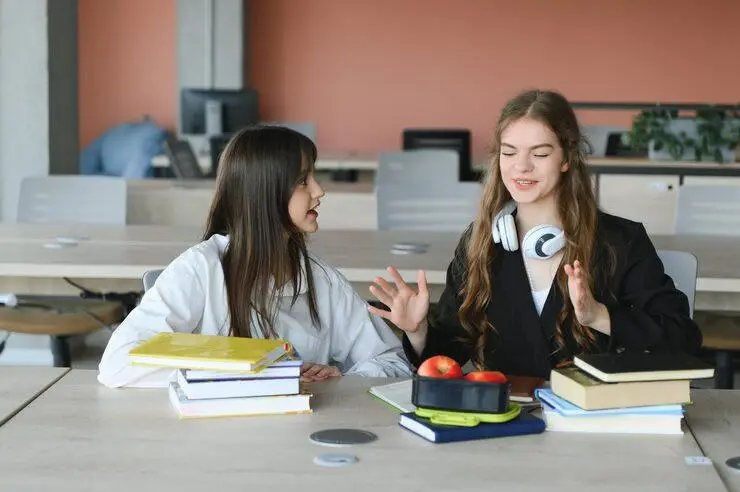
Effective communication is instrumental to student learning outside of the classroom and beyond the written work. It supports students' ability to voice opinions with confidence each week in major educational activities. Good communication also fosters respect, which exists between students, teachers and other learning partners. Well-versed students tend to do better in working in groups or under teams. These skills continue to be useful in education and the whole of working life.
Patience, practice and continuous development of communication skills are essential to learning. Pupils should make careful note of feedback and be learning from their normal communication experiences. The development of effective communication skills supports students' personal and career success. All work today is beneficial for tomorrow's benefit.
Building the Foundations of Communication
Understand Why Communication Skills Matter
Communication is a necessary skill in today's modern education that every student must have throughout the learning process. Students communicate to answer questions and share ideas in classroom lessons. They also talk as they're working on projects with classmates and presenting various assignments. Students can communicate their ideas with confidence and comprehension when they communicate well. During learning activities, there are positive learning experiences for all parties involved thanks to clear conversations.
Clear communication skills help students to be more confident and patient in problem-solving. Such skills also help to prevent miscommunication in significant class conversations and academic assignments.
Become a Better Listener
Studying students today need to know one of the most important skills of communication, and that is listening. When conversing and discussing, good listeners hear information first and then give a thought-out response. Respecting teachers, classmates and others nearby is evident in careful listening. Pupils should not interrupt when people are confident sharing key ideas.
They are to listen to the speaker during all major class discussions. Thoughtful questions also demonstrate interest and have great impact on the overall understanding. Students are able to remember useful information for future academic success by listening with patience.
Developing Core Speaking and Writing Abilities
Improve Speaking Skills Through Daily Practice
Clear speech enables students to make confident statements in various educational tasks throughout the day. Good speaking skills are used to allow for participation in class and enhance successful group discussion on a regular basis. Students should prepare their speech before speaking in significant conversations or speeches. Clear Speech ensures the listener comprehends the message without having to guess or wonder about the meaning or explanation. Speaking practice that takes place regularly is based on a process of incremental improvement and positive learning experiences, leading to confidence.
Opportunities to join class conversations will provide students with an opportunity to enhance their speaking skills. Over time, it's natural that your pronunciation and speaking confidence will get better as you read books aloud. Short presentations help to ease students' fear before larger presentations. Discussing their behavior with other teachers or with family members also helps build communication skills every day of the year.
Strengthen Your Writing Skills
Each sentence should provide clear and helpful information on the main topic. Weekly revision and practice will strengthen good writing. Teachers should have students read their work before submitting any assignment.
Proofreading is very helpful in eliminating spelling errors and enhancing the quality of writing. A variety of books also build up good vocabulary and writing skills as a natural by-product. Pupils who have the habit of writing tend to be better articulated when discussing ideas during learning. Effective writing is relevant throughout school and work.
Growing Confidence and Nonverbal Skills
Build Confidence During Conversations
Confidence allows students to communicate ideas without fear during everyday situations. Many students avoid speaking because they worry about making simple mistakes. Regular practice helps reduce fear and builds greater confidence over time naturally. Every conversation provides another chance to improve communication and personal growth. Small improvements eventually create stronger communication skills through daily learning experiences.
Students should speak politely while maintaining respect during every important conversation always. Positive thinking also helps students feel relaxed before speaking with other people. Accepting mistakes as learning opportunities supports continuous improvement and stronger confidence daily. Every successful conversation increases motivation for future communication challenges and responsibilities. Confident students often create better impressions during interviews and classroom presentations.
Use Body Language Effectively
Body language supports spoken words during every conversation and classroom discussion today. Good eye contact shows confidence and respect while speaking with other people. Natural facial expressions help listeners understand feelings behind spoken messages clearly. Standing with confidence also creates positive impressions during presentations and interviews. Positive body language improves communication without using additional spoken words.
Students should avoid distracting movements during important classroom presentations and discussions regularly. Calm movements help listeners focus on the main message more easily. Smiling naturally creates friendly conversations and encourages better communication with others. Good posture also improves confidence during public speaking and academic presentations. Strong body language supports successful communication across different personal and professional situations.
Practicing and Refining Communication Skills
Practice Communication Every Day
Daily practice helps students improve communication skills through regular learning experiences consistently. Joining group activities also develops teamwork and stronger communication abilities every week. Daily effort creates meaningful progress throughout education and future professional careers.
Students should also practice communication with teachers, friends, self-evaluation, and family members regularly. Different conversations improve confidence while developing better listening and speaking habits. Feedback from trusted people helps students recognize areas needing further improvement. Consistent practice creates lasting communication skills through patience and personal determination. Strong communication grows through continuous effort instead of quick results alone.
Avoid Common Communication Mistakes
Many students speak too quickly during important classroom discussions and presentations today. Slow speaking helps listeners understand every message with greater clarity always. Students should avoid using unclear words that confuse friends and other people unnecessarily. Listening carefully before answering also improves communication during different situations every day. Respectful language creates positive conversations and stronger relationships with everyone involved.
Learning From Feedback
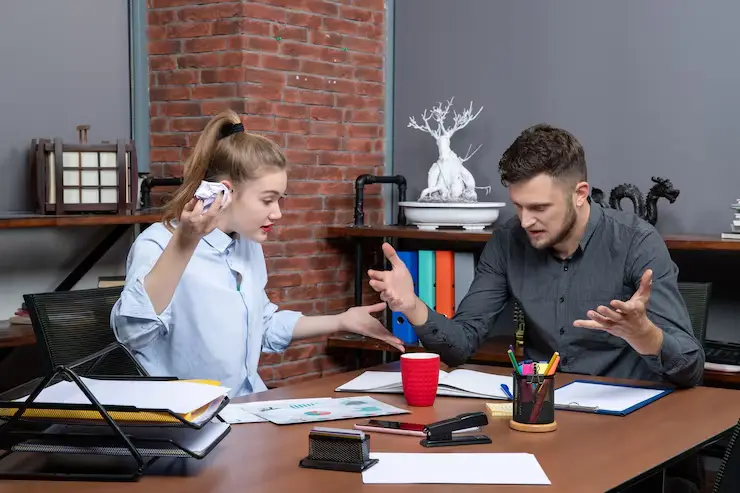
Students should never ignore feedback after completing presentations or classroom discussions successfully. Helpful advice supports improvement through careful learning and regular practice consistently. Honest self-evaluation also helps students develop stronger communication abilities over time. Learning from mistakes creates better confidence during future conversations and presentations. Every correction supports long-term communication growth and personal success.
Conclusion
Strong communication skills help students succeed throughout education and future professional careers confidently. These abilities improve speaking, listening, writing, and everyday personal interactions naturally. Regular practice builds confidence while supporting stronger academic and workplace performance consistently. Students who communicate clearly often create better opportunities throughout their future journeys. Every small effort today builds lasting communication skills for lifelong personal success.