A strong resume creates better career opportunities for students. It shows employers your skills and future potential. Many students avoid writing resumes too early. They believe experience is necessary before applying. This thinking limits many good opportunities.
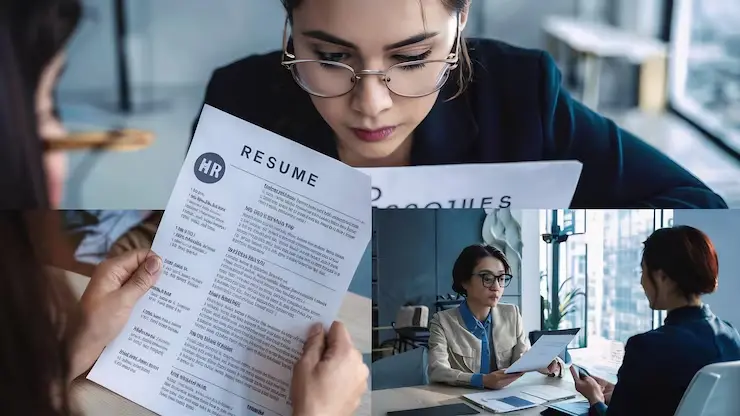
A resume shows your goals, skills, and achievements clearly. Employers appreciate honest and well-organized resumes. Every section should provide useful information only. A strong resume builds trust from the beginning. Learning resume writing helps future career success.
Planning and Formatting Your Resume
Understand the Purpose of Your Resume
Your resume explains why employers should choose you. Every section should support your job application. Employers spend little time reading each resume. Clear information improves your chances of success. A focused resume always performs better.
Read every job description before writing your resume. Identify important skills requested by employers. Match your education with job requirements carefully. This method creates stronger job applications. Customized resumes receive more employer attention.
Choose a Professional Resume Format
A clean resume format improves readability immediately. Simple layouts always look more professional. Choose clear fonts for better reading. Use one font throughout the entire resume. Student resumes should stay within one page.
Leave enough space between every section. Clear headings improve resume organization greatly. Simple designs keep attention on your qualifications. Avoid colorful layouts and unnecessary graphics. Review formatting before sending every application. Begin with correct contact information. Include your full name and email address. Add your phone number and current city. Check every detail before submitting applications. Correct information helps employers contact you quickly.
Writing Strong Resume Content
Write a Strong Resume Summary
A resume summary is a starting point for your work history. Keep this section brief and informative. Talk about your schooling and top abilities. Be sure to confidently include your future career goals. Employers will want to see a summary that is good.
Do not make general statements that are devoid of meaning. Highlight with a focus on strengths matching the job role. Have confidence, but don't lie. Trust with employers is established by honest writing. Keep your summary up to date with each achievement.Highlight Your Education and Academic Success
The best portion of most students' resumes is their education. Put this part in a prominent section at the beginning. Provide the name of your school, college, or university. Include current degree and graduation year. This will help employers comprehend your education. Add good grades to your resume when they enhance it. Feel good about announcing and boasting your scholarships and academic accomplishments. These are achievements that have been made of hard work and commitment. Discuss appropriate courses to pursue based on career goals. Courses that are relevant add to your professional profile.

Add research projects if they are in line with career goals. Include presentations with enhanced practical knowledge. Academic activities demonstrate ongoing improvement and development. Keep this section concise and simple. Employers ought to know all of the details easily.
Showcase Your Skills with Confidence
You have the skills section clearly demonstrating your skills. Include job-specific technical abilities. Include personal skills supporting teamwork and communication. Select skills you can confidently describe. Honesty creates trust between an employer and employee.
Keeping Your Skills Current
Before updating skills, read all job descriptions. Carefully choose skills that are required by the employer. Eliminate skills that are not necessary. A skills section with a focus looks better. Practice makes it easier to get a good position after the interview. Keep your skills updated every year. Practice regularly to gain new skills. Each new skill creates new opportunities for the future. Good skills help to grow a career. Ongoing learning enhances professional confidence.
Highlighting Experience and Achievements
Include Projects, Activities, and Volunteer Experience
Projects show your knowledge through practical work. Describe every project using simple language. Explain your role and final results. Strong projects improve employer confidence. Practical work highlights your real abilities.
Student activities build leadership and teamwork skills. Clubs help students gain valuable experience. Sports develop discipline and personal confidence. These activities strengthen every student's resume. Employers value active and responsible students.
Volunteer work shows kindness and responsibility. Community service develops useful life skills. These experiences improve personal growth naturally. Volunteer work also builds employer confidence. Strong experience creates better career opportunities.
Add Work Experience When Available
If possible, add experience (internships). Part-time jobs also make for powerful resumes. Freelance writing is a great way to acquire valuable work-related skills. All work experiences are learning opportunities in the workplace. The little jobs make a big experience.
Pay attention to the successes rather than work-related tasks. Describe the ways in which you contributed to others. Demonstrate positive outcomes of all responsibilities. Transferable skills are still valuable to employers.Real-world experience helps lead to more career success.
Focus on strengths, matching the job role. Be confident without being boastful. Honest Writing Builds Trust With Employers. Add to your summary each time you achieve something.
Polishing Your Final Resume
Avoid Common Resume Mistakes
If you make small errors, it can be a quick loss of job interview opportunities. Use a spellchecker on all resumes. Check information about contacts thoroughly. Eliminate superfluous information. Do not make the sections too long or intricate. Don't use complex sentences or words. Simple writing makes it easier to read for the employer. Don't put false information anywhere. Honest resumes foster positive professional relationships. Precision makes for a better impression.
Students should go through resumes before each application. New reviews uncover any problems that might not have been apparent at first. Keeping the resume well edited enhances the quality of the overall resume. Business thinking is reflected in a good presentation. A good resume catches the attention of more potential employers. Make sure to read through your resume carefully before you hit the submit button.
Details matter, they can make a bad impression. Fix all the errors before seeking employment. Properly checking elevates the quality of the documents. A clean and tidy resume will look more professional.
Proofread and Update Your Resume Regularly
Proofreading improves every resume before submission. Read your resume several times carefully. Check grammar, spelling, and formatting. Correct every mistake before applying. Small corrections improve professional quality.
Ask a teacher or mentor for feedback. Fresh opinions often improve resume quality. Accept useful suggestions with confidence. Better feedback creates stronger resumes. Regular reviews improve future applications. Update your resume after every achievement. Add new projects and useful skills. Include awards and volunteer experience. Save your final resume as a PDF. Keep your resume ready for opportunities.

Review your resume after finishing every semester. Add new certificates without unnecessary delay. Include fresh internship experience whenever possible. Remove outdated information from older sections. Regular updates improve future job applications.
Learning new skills also strengthens your resume. Add training programs after successful completion. Include workshops related to your career. Every achievement increases employer confidence. Continuous improvement supports career success.
Conclusion
A strong resume supports future career success. It provides a clear outline of your education and skills. Include projects, achievements and practical experience. Ensure that the resume element is readable and straightforward. Honesty on your CV makes you far more trusted to the employer. Change your resume every time you apply for a job. Include other things you learnt. It all starts with a small step that leads to bigger opportunities down the road
Well prepping engrenders lifelong sense of professional sureness. Every update makes your resume stronger. A professional resume opens many career doors. Careful planning supports future career growth. Consistent effort leads toward long-term success.