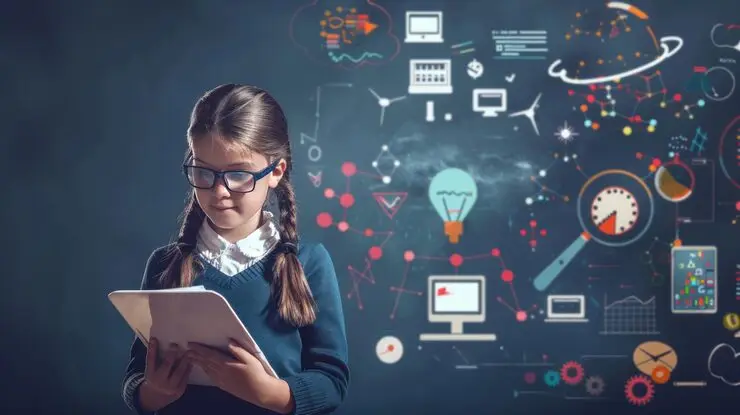
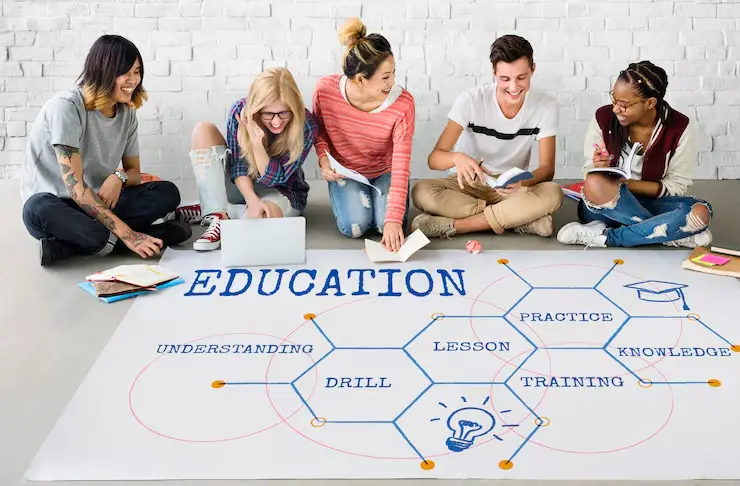
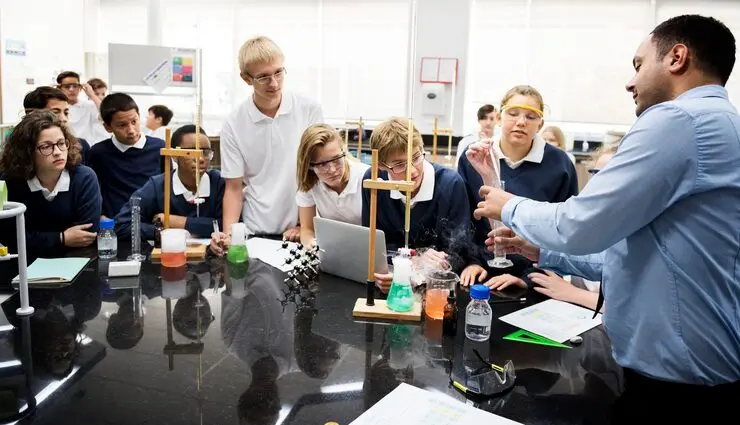
The present trends in the higher education sector keep changing because of digital learning technology. Today, university students have the opportunity to attend classes in their universities without being present in the university physically every week. Online learning is a new tool that provides flexible opportunities for academic success via various educational technologies every day. Modern universities use digital technology to improve classroom learning. They offer virtual classrooms and interactive learning activities. Online discussions help students develop useful academic skills. Digital learning improves communication and research abilities. It also strengthens everyday problem solving skills. Online education makes students more independent and confident.

Working people can still be successful online learners even despite their tight schedules. Colleges are also still developing new technologies to provide creative ways of improving education. Teachers create interesting classes to inspire students to collaborate and study new things every day. Technologies in education facilitate the development of strong relationships between teachers, students, and educational communities across the globe. Today’s online education is highly valued due to its flexibility and accessibility.
1. Expanding Educational Access
Learning Beyond Geographic Boundaries
The concept of distance learning ensures that physical barriers do not exist so that individuals are able to access quality education from universities from any corner of the world. Individuals can access the lesson materials from their own comfortable place with the use of internet facilities. The universities admit individuals of all kinds so as to form a learning community where everyone can thrive. Distance learning ensures equal opportunities for education for all.
Flexible Academic Schedules
Timely distance learning courses help students juggle their responsibilities of job, family, and study life much more easily. Learners get to learn through the convenience of time, which enables them to be more focused and motivated and perform better. Learners get a chance to review things that seem hard to understand prior to examinations through videos of recorded classes. The universities are aware of the fact that flexibility leads to satisfaction among learners and makes them academically committed.
Affordable Learning Opportunities
The online mode of education is highly cost-effective in terms of reducing expenditures related to transport, accommodation, and classrooms for university students. The saving of money inspires the learners to put effort into getting books, certifications, and training in the professional field. Universities operate at reduced costs via the use of technology while sustaining the quality of education. Affordable education leads to more enrolment.
2. Improving Learning Through Technology
Interactive Digital Classrooms
A modern classroom online is an interactive class that promotes interaction of students through the use of technology in each session. The learners interact with teachers using video conferencing and discussion boards in learning systems.

Interactive learning helps in developing knowledge and building confidence of the students. The universities come up with innovative methods of teaching to enable good academic experience.
Personalised Learning Experiences
Students learn according to their individual strengths and interests through digital technology that suits their educational needs. They go back to challenging lessons and improve comprehension by repeating educational exercises each week on their own. Personalised learning builds confidence and enhances academic performance in different learning approaches. Universities promote individual performance through the use of adaptive educational tools and digital learning materials.
Easy Access to Educational Resources
Students can access information in digital libraries, research journals, educational videos, and academic resources from the online portal. Universities offer useful resources for assisting students with assignment work, projects, examinations, and even research works. Quick access to education helps in gaining knowledge and instills curiosity amongst university students globally. Digital technology has reduced wastage of time, and therefore education and research can be done effectively through it. Academic excellence is possible through educational resources.
3. Strengthening Student Skills
Better Time Management
Learning via online platforms helps the learners who plan their study time schedule effectively and by showing self-discipline. The learners become more responsible while managing their academic work along with their professional and personal lives. Having good organisation skills helps in becoming more successful in education and in life. Universities encourage self-directed learning in which students make themselves responsible.
Developing Digital Skills
Educational technology is widely used by students to enhance their digital literacy through practical learning experiences on a weekly basis. Technology helps graduates get ready for their professional environment according to the workplace requirements in various sectors. Technological competence is promoted at universities as a means of fostering creativity and innovation as well as professional growth. Digital learning helps develop flexibility for working in technological environments.
4. Encouraging Global Collaboration
Connecting Students Worldwide
Online learning brings together students from all over the world via contemporary online education systems on a regular basis. They share thoughts while getting acquainted with different cultures by conducting useful academic interactions with one another. Universities promote the idea of collaboration among nations to help improve communication and educational awareness all the time. Students make good friends as well as gain new perspectives through this process all the time.
Building Communication Skills
Improvements in communication can be achieved using virtual classrooms that involve presentations, discussions, and collaboration in academic projects regularly. Communication is always improved with students making their views known when they participate in educational programmes online. Teachers give constructive criticism that helps improve communication skills. Digital education promotes respectful interactions that make one feel confident throughout the educational and career development processes. Communication is essential in academic performance and career success.
Supporting Team-Based Learning
Universities organise collaborative projects encouraging teamwork through digital educational platforms every semester. Students solve problems together while sharing knowledge and supporting mutual academic achievement consistently. Group activities improve leadership skills while strengthening responsibility and cooperation among learners effectively. Online collaboration prepares graduates for professional environments requiring teamwork and shared decision-making. Digital education facilitates collaborative learning processes that help with lifelong personal and professional development.
5. Preparing Students for Future Careers
Developing Professional Confidence
Education via the Internet enables the students to build their confidence by means of self-study and academic practice. The students carry out their tasks in an efficient manner and develop their skills of critical thinking and decision-making. Universities educate graduates to be competitive in their future careers using new approaches to education and technology application. Professional confidence is built through lifelong learning that helps graduates succeed in their career path.
Encouraging Lifelong Learning
Education through digitalisation makes continuous learning possible even after completing university through easily available options of education at all places. The graduates not only enhance their professional knowledge but also gain from advanced courses that help them in advancing professionally in life. Lifelong education is encouraged by universities through stimulating creativity and improvements personally as well as professionally in life.
Meeting Modern Workplace Needs
The employers are highly appreciative of those graduates who know how to communicate knowledge digitally and learn by themselves. Digital education helps in acquiring practical skills that will assist in the performance of duties in various companies.

The universities design courses based on employment needs through innovative teaching strategies consistently. Learners acquire useful experience on how to solve issues using technology and perform responsibilities independently. Modern education helps the learners get successful careers due to practical knowledge.
Conclusion
Online learning keeps revolutionising higher education through accessibility, flexibility, innovation, and meaningful educational experience. Online learning will keep being an essential part of educational development and personal growth. Universities will adopt digital technologies benefiting the students from various academic and personal backgrounds successfully. Flexible learning options will motivate learners managing their education, employment and families confidently. Innovative educational systems will enhance communication, collaboration, and independent learning due to interesting virtual classroom experiences. The students will gain useful digital skills, making them prepared for competitive careers and successful futures.
The affordable online educational programmes will provide greater educational access, letting the motivated learners achieve their high academic goals successfully. The global collaboration will help understand different cultures and prepare the graduates for international professional opportunities confidently. The universities will invest in technological resources, providing educational excellence and continuous improvement effectively. The future of higher education will include both traditional teaching and innovation in digital technology, providing a balanced learning environment. The students adopting online learning nowadays will become the future professionals ready for the global labour market.